
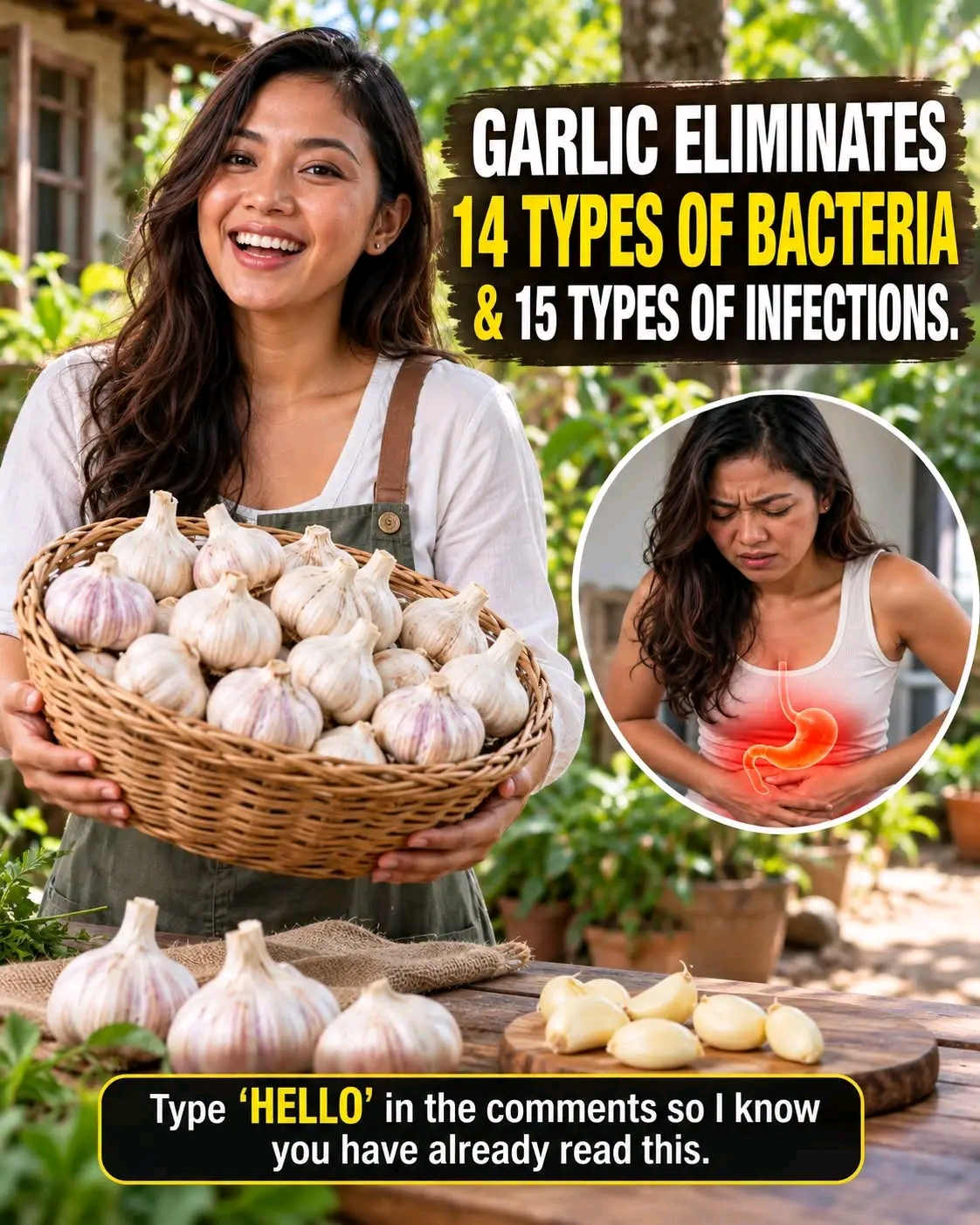
Garlic and Everyday Wellness: What Research Really Says About This Ancient Kitchen Staple
Garlic has been used in cooking and traditional wellness practices for thousands of years. From Mediterranean kitchens to traditional home remedies, this flavorful ingredient has earned a special place in everyday life.
But what does modern research actually say about garlic? Can it support heart health, immune function, and healthy aging?
Let’s explore the potential benefits, the science behind them, and simple ways to include garlic in your daily meals.
1. Garlic and Heart Health
Garlic contains sulfur-containing compounds, including allicin, which forms when fresh garlic is crushed or chopped.
Some clinical studies suggest that certain garlic supplements may modestly reduce blood pressure in people with hypertension. Research also suggests that some preparations may have small effects on cholesterol levels.
However, results vary depending on the preparation, dosage, and individual. Garlic should complement—not replace—prescribed treatment for high blood pressure or cholesterol.
How to enjoy it: Add freshly chopped garlic to soups, roasted vegetables, beans, sauces, and homemade salad dressings.
2. Garlic and the Immune System
Garlic contains bioactive compounds that have been investigated for their effects on immune responses and inflammation. Laboratory research has identified several potentially useful properties, but evidence that eating garlic prevents infections in everyday life remains limited.
Garlic can contribute flavor and variety to a nutritious diet, but it should not be considered a cure for colds, flu, or other infections.
How to enjoy it: Combine garlic with vegetables, legumes, and protein-rich foods as part of balanced meals.
3. Garlic and Antioxidant Activity
Oxidative stress occurs when the body’s production of reactive molecules exceeds its ability to manage them. Garlic contains compounds that have demonstrated antioxidant activity in laboratory studies.
Researchers continue to investigate how these compounds behave in the human body. The effects observed in laboratory experiments do not necessarily translate into proven disease prevention in people.
How to enjoy it: Use garlic regularly as a seasoning alongside other plant foods, such as leafy greens, tomatoes, berries, and beans.