
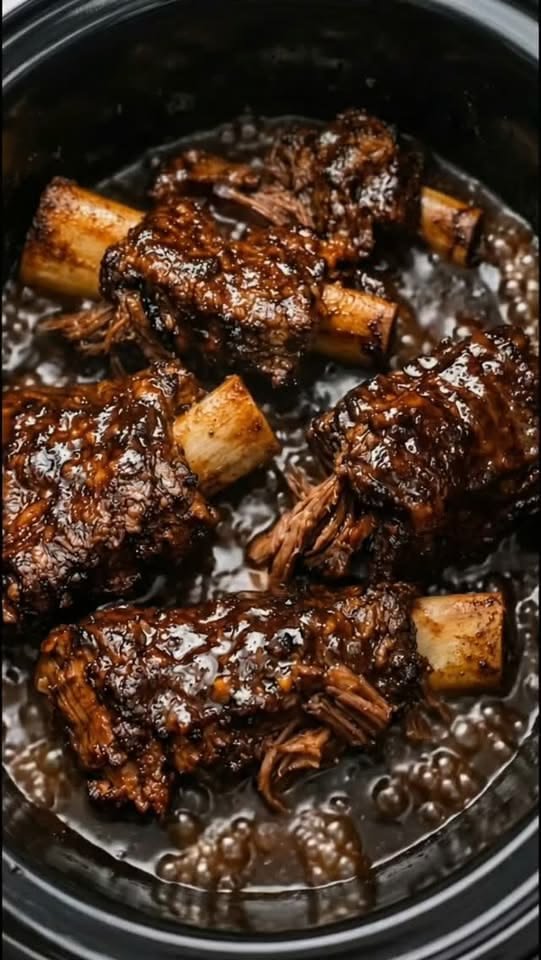
Stop buying takeout ribs. This slow cooker method delivers restaurant-quality results at home
Takeout ribs are expensive, often disappointing by the time they reach your door, and rarely as tender or flavorful as you hoped. A rack of barbecue ribs from a restaurant can easily cost between $20 and $35, and delivery fees, service charges, and tips quickly push the total even higher. The good news is that you can make fall-off-the-bone ribs at home with a slow cooker, using simple ingredients and almost no hands-on effort. This guide explains exactly how to do it, what equipment you need, and how to get a sticky, caramelized finish that rivals your favorite barbecue joint.
Why Slow Cooker Ribs Beat Takeout
The biggest advantage of cooking ribs in a slow cooker is control. When you order takeout, you have no say in the seasoning level, the sauce thickness, the meat’s texture, or how long the ribs sat in a warming tray. At home, you decide everything. A slow cooker, also called a Crock-Pot, uses low, steady heat over several hours to break down the connective tissue in pork ribs, which is what makes the meat tender enough to pull cleanly from the bone.
Beyond quality, the economics are compelling. A whole rack of pork baby back ribs at the grocery store typically costs between $8 and $15, depending on your region and the season. Pantry staples like brown sugar, paprika, garlic powder, and barbecue sauce add only a few dollars more. Even after accounting for the cost of a slow cooker, you can feed a family of four for a fraction of what a single delivery order would cost. Over time, cooking at home also reduces the sodium, preservatives, and excess sugar commonly found in restaurant and fast-food barbecue.
Choosing the Right Ribs
Not all ribs behave the same way in a slow cooker. The two most common choices are baby back ribs and St. Louis-style spare ribs. Baby back ribs come from the upper rib cage near the loin, are smaller and more curved, and cook more quickly. Spare ribs are larger, meatier, and contain more fat and connective tissue, which means they become exceptionally tender with long, slow cooking. For a slow cooker, both work well, though spare ribs often produce a richer, more succulent result.
When shopping, look for racks with a generous amount of meat covering the bones and a fairly even thickness. Avoid racks with large areas of exposed bone or dried, grayish edges. If you are buying pre-packaged ribs, check the sell-by date and choose meat with a pink color and minimal liquid in the packaging. Many butchers will also remove the thin membrane on the bone side for you, which is a helpful step because it can otherwise prevent seasoning from penetrating and make the ribs chewy.
Essential Equipment for Slow Cooker Ribs
You do not need specialized equipment to make excellent slow cooker ribs, but a few tools make the process smoother. A slow cooker with at least a 6-quart capacity is ideal for a full rack, and an oval shape works better than a round one because it accommodates the length of the ribs. You will also need a sharp knife for trimming and a cutting board, a mixing bowl for the rub, tongs for handling the meat, and aluminum foil if you plan to finish the ribs under the broiler. A basting brush and a rimmed baking sheet are helpful for the final glazing step.
Simple Dry Rub Recipe
Flavor starts with a well-balanced dry rub. Combine 3 tablespoons of brown sugar, 2 tablespoons of smoked paprika, 1 tablespoon of garlic powder, 1 tablespoon of onion powder, 1 teaspoon of black pepper, 1 teaspoon of chili powder, 1 teaspoon of salt, and 1 teaspoon of ground cumin. This mixture creates a sweet, smoky, and slightly spicy crust. Adjust the salt and chili powder to suit your taste, and feel free to add a pinch of cayenne if you prefer more heat.
Preparing the Ribs
Start by removing the thin membrane from the bone side of the rack. Slide a butter knife under one edge to loosen it, then grip it with a paper towel and pull it off in one piece. Pat the ribs dry, then coat both sides generously with the dry rub, pressing it into the meat with your hands. For the best flavor, cover the ribs and refrigerate them for at least one hour, or overnight if you have time. This resting period allows the seasoning to penetrate deeply.
Cooking the Ribs in the Slow Cooker
Cut the rack into sections that fit comfortably in your slow cooker, usually three or four bone sections per piece. Place a small amount of liquid at the bottom of the cooker to prevent sticking and add moisture. A half cup of apple cider vinegar, apple juice, or chicken broth works well and adds subtle tang. Arrange the rib sections standing upright along the sides of the cooker, with the meaty parts facing inward, so they cook evenly. Cover and cook on low heat for 7 to 8 hours, or on high heat for 4 to 5 hours. The ribs are done when the meat has pulled back from the ends of the bones and a fork slides in with almost no resistance.
Carefully transfer the ribs to a foil-lined baking sheet. Discard most of the cooking liquid or reserve a few spoonfuls for extra flavor in your sauce.
Finishing With Sauce for a Sticky Glaze
Slow cooker ribs are tender but pale, so the finishing step matters. Brush a thick layer of your favorite barbecue sauce over both sides of the ribs. Store-bought sauces work well, but a homemade version made with ketchup, brown sugar, apple cider vinegar, Worcestershire sauce, and a splash of liquid smoke adds extra depth. Place the baking sheet under a preheated broiler for 3 to 5 minutes, watching clos