
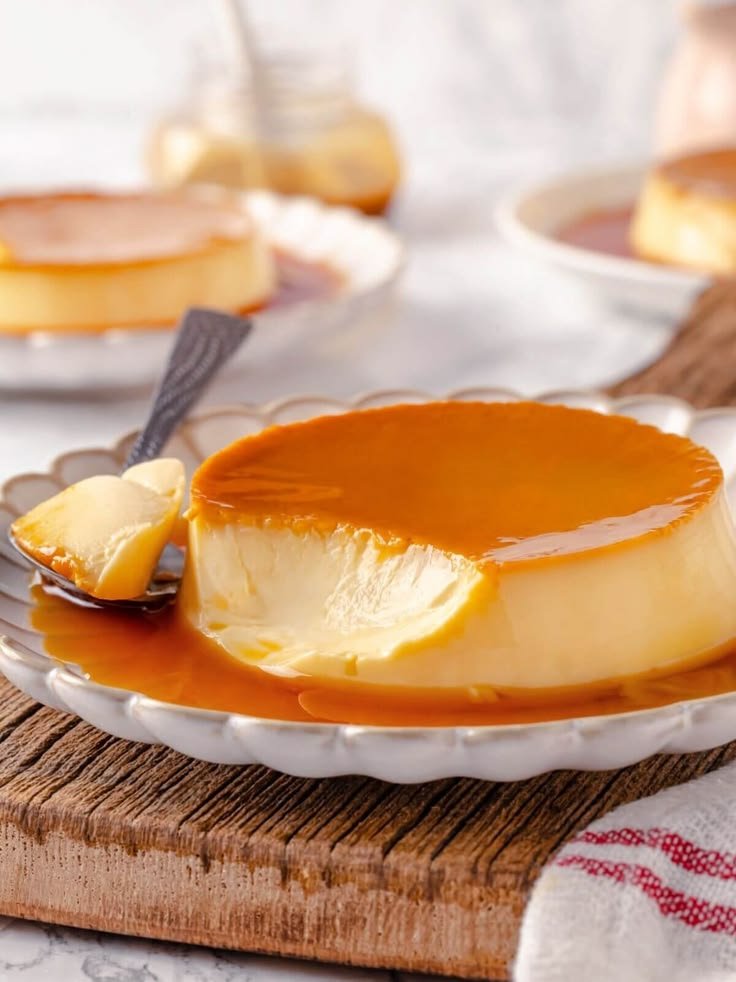
Creamy Caramel Custard (Crème Caramel)
Few desserts combine elegance and simplicity quite like the creamy caramel custard, known in French kitchens as crème caramel. With a silky, wobbly custard sitting beneath a glossy amber caramel sauce, this classic dessert has delighted home bakers and professional chefs for generations. Whether you are planning a dinner party, looking for a make-ahead dessert, or simply craving something sweet, this guide walks you through everything you need to know to make a perfect crème caramel at home.
What Is Crème Caramel?
Crème caramel is a baked custard dessert made from eggs, milk or cream, sugar, and vanilla. What sets it apart is its signature topping: a layer of dark caramel that forms at the bottom of the mold during cooking. When the custard is chilled and turned out onto a plate, the caramel flows down the sides, creating a stunning presentation and a sweet, slightly bitter contrast to the smooth, delicate custard beneath.
The dessert is found across many cultures under different names. In Spain it is known as flan, in Latin America it appears as flan or flan de huevo, and in Italy a similar dish is called crema caramella. Although the names vary, the basic structure remains the same: a light, egg-rich custard finished with caramel.
Essential Ingredients for Creamy Caramel Custard
Creating a truly exceptional crème caramel depends on using quality ingredients in the right proportions. Here is what you will need for a standard recipe that serves six:
– Granulated sugar: About one cup for the caramel, plus a quarter cup for the custard
– Whole milk: Two cups, which gives the custard body without excessive richness
– Heavy cream: One cup, for a luxuriously smooth texture
– Large eggs: Three whole eggs and two egg yolks
– Pure vanilla extract: One teaspoon, or half a vanilla bean for a more intense flavor
– Pinch of salt: To balance and enhance the sweetness
Using pure vanilla extract rather than imitation flavoring makes a noticeable difference in the final taste. Fresh eggs at room temperature also blend more smoothly into the warm milk mixture, helping prevent lumps and ensuring an even set.
Equipment You Will Need
Before you begin, gather the right tools to make the process easier. You will need six individual ramekins or small custard cups, a deep baking dish large enough to hold them, a heavy-bottomed saucepan for making caramel, a whisk, a fine-mesh sieve, and a kettle for boiling water. An instant-read thermometer is helpful but not required. Having everything ready makes the process smoother, since caramel can darken quickly once it starts to color.
Step-by-Step Recipe for Crème Caramel
Step 1: Preheat the Oven
Set your oven to 325 degrees Fahrenheit, or 160 degrees Celsius. A moderate, steady temperature is essential because custard cooked at high heat can curdle or develop a rubbery texture.
Step 2: Make the Caramel
Place one cup of granulated sugar in a heavy saucepan with a few tablespoons of water. Stir gently just until the sugar is evenly moistened, then place the pan over medium heat without stirring. Allow the sugar to melt and turn a deep golden amber. Watch carefully, as caramel can go from perfect to burnt within seconds. Once it reaches the desired color, immediately pour the caramel into the bottom of your ramekins, swirling each to coat the base evenly. Set them aside to harden slightly while you prepare the custard.
Step 3: Prepare the Custard Base
In a medium saucepan, combine the milk and cream and warm over medium heat until steaming but not boiling. In a separate bowl, whisk together the eggs, egg yolks, the remaining quarter cup of sugar, vanilla, and a pinch of salt until smooth and slightly pale. Slowly pour the warm milk mixture into the eggs while whisking constantly. This gradual process, called tempering, prevents the eggs from scrambling.
Step 4: Strain the Mixture
Pour the custard through a fine-mesh sieve into a clean pitcher. Straining removes any bits of cooked egg and creates an ultra-smooth texture. This step is simple but important for achieving that professional, velvety finish.
Step 5: Fill the Ramekins
Divide the custard evenly among the caramel-lined ramekins. Skim away any bubbles that rise to the surface, as these can leave small holes in the finished dessert.
Step 6: Bake in a Water Bath
Place the filled ramekins in a deep baking dish and carefully pour hot water into the dish until it reaches about halfway up the sides of the ramekins. This water bath, known as a bain-marie, insulates the custards and encourages gentle, even cooking. Bake for 35 to 45 minutes, until the edges are set but the centers still wobble slightly when gently shaken. The custards will continue to firm as they cool.
Step 7: Cool and Chill
Remove the ramekins from the water bath and let them cool at room temperature for about an hour. Then cover and refrigerate for at least four hours, or preferably overnight. Chilling allows the custard to set fully and the caramel to liquefy into a sauce.
Step 8: Unmold and Serve
To serve, run a thin knife around the edge of each ramekin. Invert a serving plate over the ramekin, then flip both together in one smooth motion. Give the ramekin a gentle shake and lift it away. The caramel will spill beautifully over the custard. Serve immediately, garnished with fresh berries, mint leaves, or a dusting of cinnamon if desired.
Tips for Perfect Results
Achieving a flawless crème caramel comes down to a few key techniques. Avoid overbaking, which is the most common mistake and results