
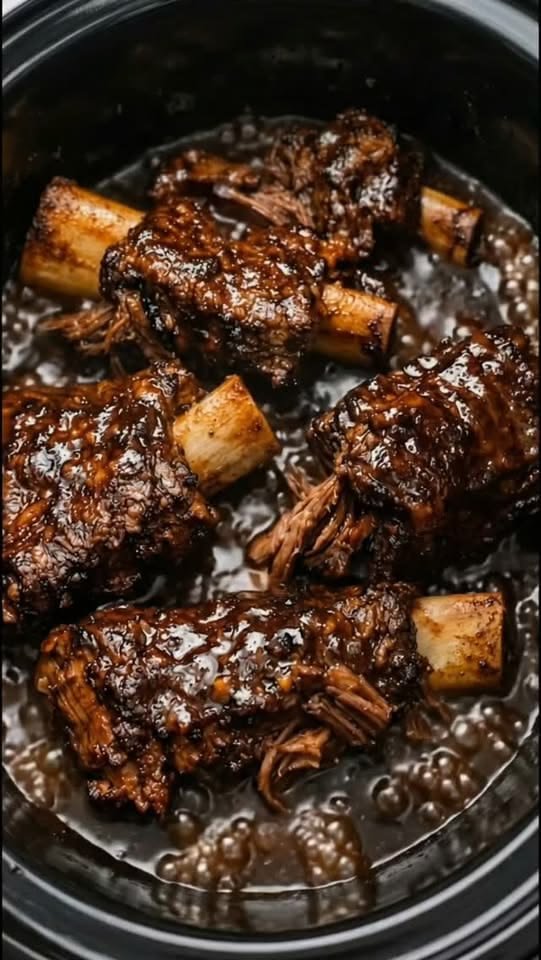
Stop buying takeout ribs. This slow cooker method delivers restaurant-quality results at home
Takeout ribs are expensive, often disappointing by the time they reach your table, and rarely as tender or flavorful as you hoped. A single rack from a barbecue restaurant can cost anywhere from $20 to $35 before tip, and delivery fees and service charges quickly push the total even higher. Meanwhile, a slow cooker sitting on your counter can produce fall-off-the-bone ribs with deep, caramelized flavor for a fraction of the price. If you have been ordering ribs out regularly, this guide will show you how to make them at home with a slow cooker, why this method works so well, and how to get the best results every time.
Why the Slow Cooker Is the Best Tool for Ribs
Ribs are full of connective tissue and collagen, which is exactly what makes them tough when cooked quickly and tender when cooked low and slow. A slow cooker holds a steady, gentle temperature for hours, allowing that collagen to break down into rich gelatin. The result is meat that pulls cleanly from the bone without drying out.
Unlike grilling or oven roasting, a slow cooker requires almost no monitoring. You prepare the rub and sauce, place the ribs inside, set the timer, and walk away. This hands-off approach is ideal for busy weeknights, weekend meal prep, or feeding a crowd without standing over a hot grill in the summer heat.
The sealed environment of a slow cooker also keeps moisture locked in. Ribs braised in their own juices and a bit of added liquid stay succulent, which is a major advantage over methods that can leave the meat chewy or dry.
Choosing the Right Ribs
Before you cook, it helps to understand the main types of ribs available at the grocery store or butcher counter. The two most common options are baby back ribs and spare ribs. Baby back ribs come from the upper section of the rib cage near the loin. They are shorter, leaner, and more tender, which makes them a popular choice for slow cooking. Spare ribs come from the belly side and are larger, meatier, and fattier. They also become incredibly tender in a slow cooker and offer exceptional flavor.
When shopping, look for racks with a good amount of meat covering the bones and a consistent pink color. Avoid racks with dry or gray edges. If you can, buy pork ribs that are sold as a full rack, since they are often less expensive per pound than pre-cut portions. Plan roughly one pound of ribs per person for a hearty meal, especially if you plan to serve sides.
Essential Ingredients for a Flavorful Rub
A great rib recipe starts with a well-balanced dry rub. A classic combination includes brown sugar for sweetness, paprika for color and smoky depth, garlic powder and onion powder for savory notes, black pepper for bite, and a touch of salt to season the meat thoroughly. For extra complexity, add chili powder, cumin, mustard powder, or a small pinch of cayenne pepper if you enjoy some heat.
To make a basic rub, combine about one-quarter cup of packed brown sugar, two tablespoons of smoked paprika, one tablespoon of garlic powder, one tablespoon of onion powder, one tablespoon of black pepper, two teaspoons of salt, one teaspoon of chili powder, and one teaspoon of ground cumin. Mix well until no clumps remain. This quantity is enough for two to three racks of ribs.
Apply the rub generously to both sides of the ribs, pressing it into the meat with your hands. For the most flavorful results, cover the seasoned ribs and refrigerate them for at least four hours or overnight. This resting time allows the seasonings to penetrate deeply.
Preparing the Ribs for the Slow Cooker
Start by removing the thin membrane on the bone side of the rack. This silver-colored skin can be tough and chewy when cooked, so peeling it away improves both texture and how well the rub adheres. Slide a butter knife under one corner to loosen it, then grip it with a paper towel and pull it off in one piece.
Once the membrane is removed, cut the rack into sections that will fit comfortably in your slow cooker. Most people cut racks in half or into three to four pieces. Arrange the sections around the inside of the slow cooker, standing them upright along the sides if needed, so they fit without being crushed.
Some cooks add a small amount of liquid to the bottom of the pot to prevent scorching and to create steam. About half a cup of apple juice, beer, chicken broth, or water works well. Sliced onions and a few cloves of garlic placed underneath the ribs add aromatic flavor to the cooking liquid, which you can later use to make a quick sauce.
Slow Cooker Cooking Times and Temperatures
Cooking time depends on the size of the rack and the heat setting. On low, baby back ribs typically need six to eight hours, while spare ribs may need seven to nine hours. On high, reduce the time to about three to five hours for baby backs and four to six hours for spare ribs. Ribs are done when the meat has pulled back from the ends of the bones and a fork slides in easily with almost no resistance.
Because slow cooker models vary, begin checking the ribs about thirty minutes before the minimum recommended time. Overcooking is rare with ribs, but if they become too soft, they can fall apart and be harder to glaze and serve neatly.
Finishing Ribs for Restaurant-Style Results
Slow-cooked ribs are tender, but they lack the caramelized crust found in barbecue restaurants. To achieve that finish, transfer the cooked ribs to a foil-lined baking sheet, brush them generously with your favorite barbecue sauce, and broil them for three to five minutes until the sauce bubbles and begins to char slightly at the edges. Watch them closely, since sugary sauces can burn quickly.
For a homemade sauce, combine one cup of ketchup, one-quarter cup of