
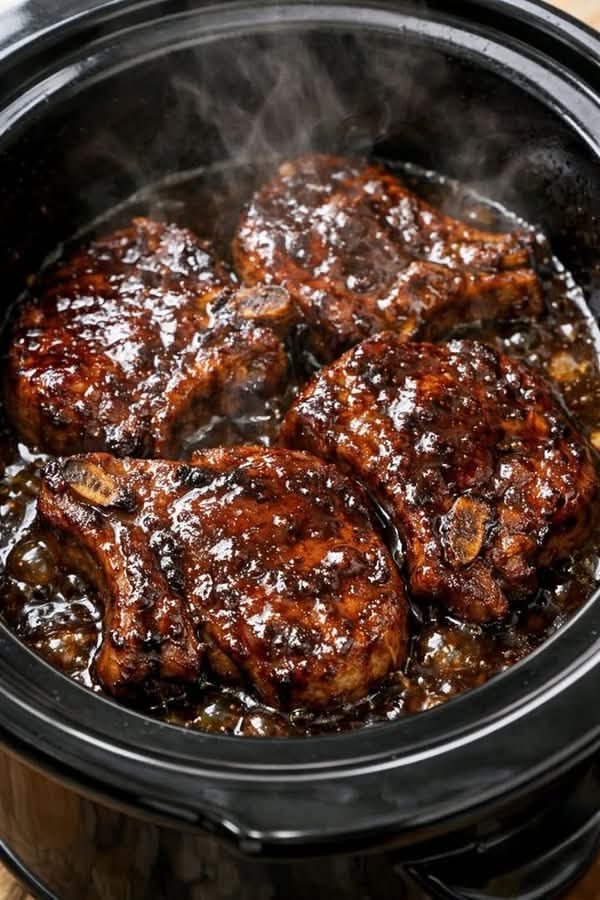
Stop Overcooking Beef Chops: A Complete Guide to Juicy, Tender Results Every Time
Beef chops are one of the most rewarding cuts to cook at home. They are flavorful, relatively quick to prepare, and impressive enough to serve at a dinner party or a weeknight family meal. Yet many home cooks struggle with the same frustrating problem: the chops come off the grill or out of the pan dry, tough, and chewy. The good news is that overcooking is almost always preventable. With the right technique, a few kitchen tools, and a clear understanding of how meat behaves under heat, you can serve beef chops that are juicy, tender, and perfectly seasoned every single time.
This guide walks you through everything you need to know to stop overcooking beef chops, from choosing the right cut to resting the meat before you slice into it.
Why Beef Chops Get Overcooked So Easily
Before you can fix the problem, it helps to understand why it happens. Beef chops are typically cut from the rib or loin area, and they can be quite lean. When muscle proteins are heated, they contract and squeeze out moisture. The higher and longer the heat, the more moisture is lost, and the tougher the meat becomes.
Thin chops are especially vulnerable. A chop that is only three-quarters of an inch thick can go from perfectly medium to dry and gray in a matter of seconds. Many people also make the mistake of cooking by time alone rather than by internal temperature, which is far less reliable because every chop, grill, and stovetop behaves differently.
Understanding this basic science gives you control. Your goal is to bring the chop to the right internal temperature while keeping as much moisture inside as possible.
Choose the Right Cut and Thickness
The first step toward juicier chops begins at the butcher counter. Look for chops that are at least one inch thick. Thicker cuts give you a wider margin for error, allowing you to develop a flavorful crust on the outside while the center stays tender and pink.
Marbling, the thin streaks of fat within the muscle, is another key factor. Well-marbled cuts such as ribeye chops or rib chops tend to stay more forgiving because the fat melts during cooking and bastes the meat from within. Leaner loin chops are still delicious, but they demand more precision.
When possible, ask your butcher to cut the chops fresh and to match their thickness so they cook evenly. Uniform thickness is one of the simplest ways to prevent some pieces from overcooking while others remain underdone.
Bring the Meat to Room Temperature
Many cooks grab chops straight from the refrigerator and place them on a hot surface. This creates a large temperature gap between the cold center and the scorching exterior, meaning the outside overcooks before the inside has time to catch up.
Instead, take your chops out of the refrigerator about thirty to forty-five minutes before cooking. Leave them on a plate covered loosely with foil or plastic wrap. This short rest allows the meat to warm slightly, promoting more even cooking and a better sear.
Season Generously and Early
Proper seasoning does more than add flavor. Salt, in particular, helps the meat retain moisture through a process that partially dissolves proteins and allows the muscle fibers to hold more water. For best results, season your beef chops with kosher salt and black pepper at least forty-five minutes before cooking, or even the night before. Wrap them loosely and keep them refrigerated if you plan to season ahead.
Beyond salt and pepper, consider a simple dry rub using garlic powder, smoked paprika, onion powder, and a touch of brown sugar for caramelization. Avoid heavy sugary marinades on high heat, since they can burn before the chop is fully cooked.
Use a Meat Thermometer
If there is one tool that will change your cooking forever, it is an instant-read meat thermometer. Relying on guesswork, color, or touch is the single biggest reason people overcook beef. A reliable digital thermometer takes the uncertainty out of the process.
Here are the general internal temperatures to aim for, measured with the probe inserted into the thickest part of the chop, away from the bone:
– Rare: 120 to 125 degrees Fahrenheit
– Medium-rare: 130 to 135 degrees Fahrenheit
– Medium: 140 to 145 degrees Fahrenheit
– Medium-well: 150 to 155 degrees Fahrenheit
– Well-done: 160 degrees Fahrenheit and above
For most beef chops, medium-rare to medium is the sweet spot for tenderness and juiciness. Remember that the temperature will continue to rise after you remove the meat from the heat, a process called carryover cooking. Pull the chops about five degrees before your target temperature.
Master the Right Cooking Method
Pan-Searing on the Stovetop
Pan-searing is one of the most reliable methods for beef chops. Use a heavy cast-iron or stainless steel skillet and heat it over medium-high heat until it is very hot. Add a tablespoon of high-smoke-point oil such as canola, avocado, or grapeseed oil. Place the chops in the pan and resist the urge to move them around. Let them sear for three to four minutes per side, then reduce the heat slightly if the exterior is browning too quickly.
To add richness, you can toss in a knob of butter, a few crushed garlic cloves, and a sprig of fresh thyme during the final minute of cooking, spooning the melted butter over the chops as they finish.
Grilling
Grilling imparts a smoky char that many people love. Set up your grill with a two-zone heat setup, with one side hot and one side cooler. Sear the chops over the direct heat for two to three minutes per side to build grill marks and crust, then move them to the cooler zone to finish cooking gently. This prevents the exterior from burning while the center reaches the target temperature.
Oven Finishing
For thick chops, a combination method works beautifully