
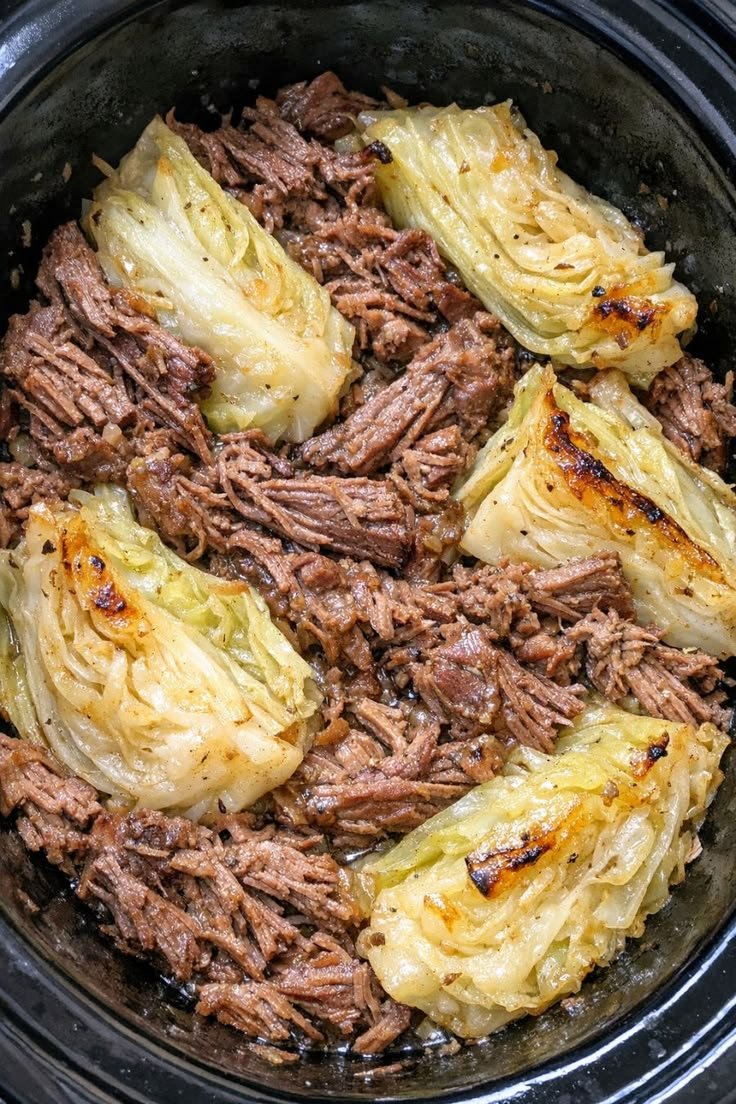
Stop boiling cabbage the boring way! This simple technique transforms it
Cabbage is one of the most affordable, nutritious, and versatile vegetables you can keep in your kitchen. Yet for many home cooks, it remains stuck in a rut: boiled until limp, drained, and served with little more than a pat of butter. The result is often watery, bland, and faintly sulfurous. If you have ever wondered why your cabbage tastes so disappointing, the answer lies in the cooking method. This guide explains why boiling often fails, and it introduces a simple technique that transforms cabbage into a sweet, tender, deeply flavorful side dish that rivals any restaurant preparation.
Why Traditional Boiled Cabbage Falls Flat
Most recipes instruct you to drop cabbage wedges or shredded leaves into a large pot of salted water and simmer until soft. While this method is quick, it has several drawbacks. Water leaches out the natural sugars and mineral-rich compounds that give cabbage its character. The long cooking time breaks down sulfur compounds, releasing the strong, unpleasant odor that many people associate with cabbage. The texture also suffers, becoming mushy rather than pleasantly tender with a slight bite.
Understanding these problems is the first step toward better results. The goal is to preserve flavor, control moisture, and cook the cabbage just long enough to bring out its natural sweetness.
The Technique That Changes Everything: Sear Then Braise
The method that transforms cabbage is a two-stage approach: a quick sear in fat to develop caramelized, nutty flavor, followed by a short, covered braise in a small amount of liquid. This combination gives you the best of both worlds. Searing creates browning through the Maillard reaction, which adds depth and complexity. Braising then softens the cabbage gently, so it stays tender without turning to mush.
Here is why this works so well. Cabbage contains natural sugars that caramelize beautifully when exposed to direct, high heat. By cooking it in a skillet rather than a pot of water, you concentrate flavor instead of diluting it. The short braise afterward finishes the cooking evenly while trapping the aromatic steam within the pan.
Ingredients You Will Need
To make this method, gather a few simple pantry staples. You will need one medium green cabbage, about two pounds, a quarter cup of olive oil or unsalted butter, one teaspoon of kosher salt adjusted to taste, half a teaspoon of freshly ground black pepper, one small yellow onion sliced thin, two cloves of garlic minced, a quarter cup of vegetable broth or water, one tablespoon of apple cider vinegar, and an optional teaspoon of caraway seeds or smoked paprika for extra depth.
Choose a firm, heavy head of cabbage with tight, glossy leaves. Savoy cabbage works well too, offering a more delicate texture and slightly milder flavor. Red cabbage can be prepared the same way, though it will take a little longer to become tender and may tint your dish a vivid purple.
Step-by-Step Method
Begin by preparing the cabbage. Remove any wilted outer leaves, cut the head into quarters through the core, and then cut out the tough center stem from each wedge. Slice each quarter into strips about half an inch thick. Keeping the pieces uniform helps everything cook evenly.
Next, heat a large, heavy skillet or Dutch oven over medium-high heat. Add the oil or butter and let it shimmer. Lay the cabbage strips in a single layer, working in batches if necessary so the pan is not crowded. Let them sit undisturbed for three to four minutes until the undersides turn golden brown. Flip and sear the other side for another two to three minutes. This browning step is essential, so resist the urge to stir constantly.
Once the cabbage has developed good color, push it to the side of the pan or remove it temporarily. Reduce the heat to medium, add the sliced onion, and cook for about four minutes until softened and lightly golden. Add the garlic and cook for another thirty seconds until fragrant, taking care not to let it burn. If you are using caraway or paprika, add it now and stir for a few seconds to bloom the spices.
Return the cabbage to the pan and pour in the broth or water along with the vinegar. Scrape up any browned bits stuck to the bottom, since these carry concentrated flavor. Season with salt and pepper, then cover the pan and reduce the heat to low. Let the cabbage braise for eight to twelve minutes, stirring once or twice, until it is tender but still holds its shape. Uncover for the final minute if excess liquid remains, allowing it to evaporate and glaze the cabbage.
Taste and adjust seasoning before serving. A splash more vinegar brightens the flavor, while an extra pinch of salt deepens it. Serve hot as a side dish alongside roasted meats, grilled sausages, pork chops, or hearty vegetarian mains.
Flavor Variations to Try
Once you master the basic technique, experiment with different additions. For a Mediterranean twist, stir in a handful of chopped kalamata olives, a squeeze of lemon juice, and a sprinkle of fresh oregano at the end. For an Asian-inspired version, substitute sesame oil for half the cooking fat, add grated fresh ginger along with the garlic, and finish with a drizzle of soy sauce and toasted sesame seeds. For a smoky, comforting dish, add crisp chopped bacon or diced pancetta to the pan before the onion and let it render its fat, then cook the cabbage in that flavorful grease.
Tips for Perfect Results Every Time
Use a heavy pan that conducts heat evenly, since thin pans create hot spots that burn the cabbage before the center cooks. Avoid overcrowding, which steams the cabbage instead of browning it. Salt the cabbage lightly during searing rather than dumping all the salt in at once, as this helps