
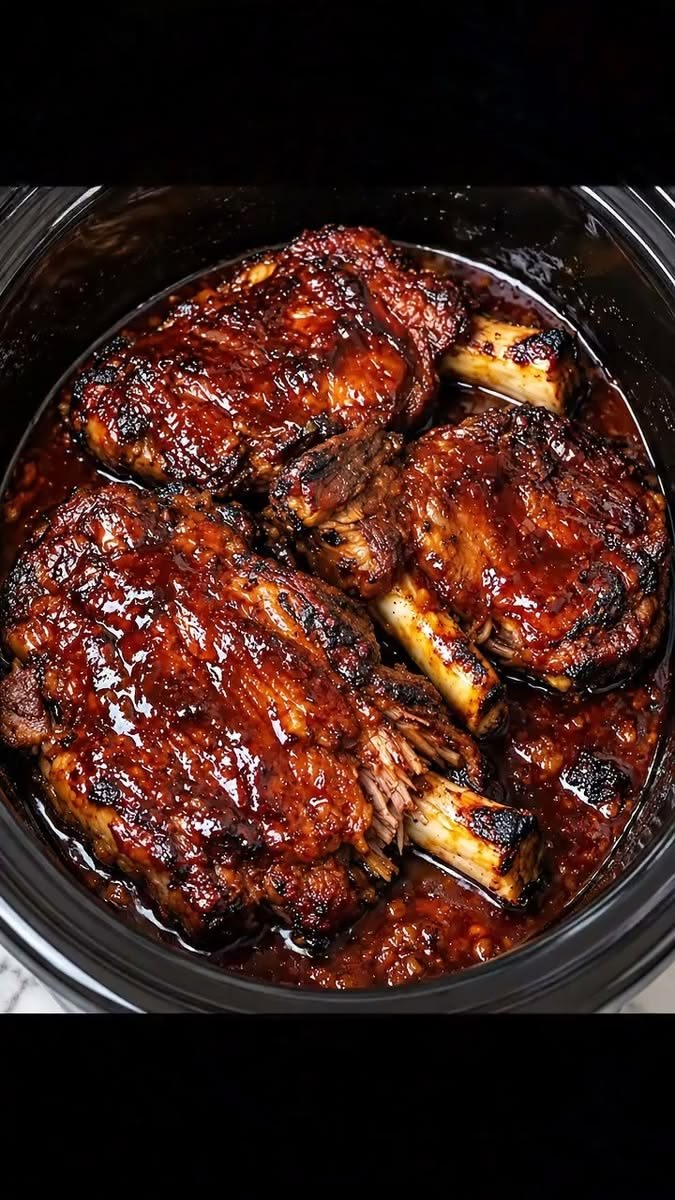
Sweet & Smoky Oven-Baked BBQ Pork
There is something undeniably satisfying about a plate of tender, caramelized pork coated in a glossy, tangy-sweet barbecue sauce. Many people assume that achieving that smoky, backyard-grill flavor requires an outdoor smoker or a charcoal grill. In reality, a home oven can produce remarkably delicious oven-baked BBQ pork with the right technique, a well-balanced sauce, and a little patience. This guide walks you through everything you need to know, from choosing the right cut of pork to building layers of flavor that rival traditional barbecue.
Why Oven-Baked BBQ Pork Works So Well
Oven baking is one of the most reliable methods for cooking pork at home. The oven provides steady, even heat that gently breaks down connective tissue, especially in cuts like pork shoulder and pork butt. Low-and-slow cooking transforms tough collagen into gelatin, which gives the meat its signature juiciness and pull-apart texture.
Baking also gives you control. You can wrap the pork in foil to trap moisture, then unwrap it near the end to develop a sticky, caramelized crust. This two-stage approach captures the best of both worlds: tender meat on the inside and a bark-like exterior on the outside. For busy home cooks, the oven is also hands-off once the pork is in, freeing you to prepare sides or relax while dinner cooks.
Choosing the Best Cut of Pork
The success of your recipe starts at the butcher counter. Not all pork cuts behave the same way under heat, so selecting the right one matters.
Pork Shoulder (Boston Butt)
Pork shoulder, often sold as Boston butt, is the gold standard for barbecue. It has generous marbling and plenty of connective tissue, which means it stays moist during long cooking times. This cut is ideal for pulled pork and produces the richest flavor.
Pork Ribs
Baby back ribs and spare ribs are excellent options for a more traditional rib experience. Baby backs cook faster and are leaner, while spare ribs are meatier and more robust. Look for racks with even meat coverage and avoid excessively dry or discolored pieces.
Pork Loin
Pork loin is leaner and cooks more quickly. It can be used for sliced BBQ pork, but it requires careful timing to avoid drying out. If you prefer a lighter option, a pork loin roast brushed with barbecue sauce can still deliver satisfying results.
Essential Ingredients for Sweet and Smoky Flavor
Balance is the key to great barbecue. The best recipes combine sweetness, smokiness, acidity, heat, and savory depth.
For the dry rub:
– 2 tablespoons brown sugar for caramelization
– 1 tablespoon smoked paprika for a campfire-like aroma
– 1 teaspoon garlic powder
– 1 teaspoon onion powder
– 1 teaspoon kosher salt
– 1 teaspoon black pepper
– ½ teaspoon cayenne pepper for gentle heat
– ½ teaspoon ground cumin for earthiness
For the barbecue sauce:
– 1 cup ketchup
– ¼ cup apple cider vinegar
– 3 tablespoons molasses or honey
– 2 tablespoons Worcestershire sauce
– 1 tablespoon Dijon mustard
– 1 teaspoon liquid smoke
– Salt and pepper to taste
Liquid smoke is a helpful shortcut for achieving a smoky taste in the oven. Use it sparingly, as a little goes a long way. Smoked paprika provides additional depth without overwhelming the dish.
Step-by-Step Instructions for Oven-Baked BBQ Pork
Step 1: Prepare the Pork
Remove the pork from its packaging and pat it dry with paper towels. If you are using a shoulder, trim any excessively thick fat caps to about a quarter inch, leaving enough to baste the meat as it cooks. For ribs, remove the thin membrane on the bone side for more tender bites.
Step 2: Apply the Dry Rub
Combine all the rub ingredients in a small bowl. Coat the pork evenly on all sides, pressing the seasoning into the surface. For best results, cover and refrigerate the pork for at least four hours, or overnight if time allows. This allows the salt and spices to penetrate the meat.
Step 3: Preheat and Begin Baking
Preheat your oven to 275°F (135°C). Place the pork on a wire rack set inside a roasting pan to allow air circulation. Bake uncovered for about two hours, until a light bark begins to form on the surface.
Step 4: Wrap for Tenderness
Remove the pork from the oven and wrap it tightly in aluminum foil. Return it to the oven and continue cooking for another two to three hours. The foil traps steam, which speeds up the breakdown of connective tissue and keeps the meat juicy. For shoulder, aim for an internal temperature of around 195°F to 205°F, when the meat becomes easy to shred.
Step 5: Apply the Barbecue Sauce
While the pork finishes cooking, prepare the barbecue sauce. Combine all ingredients in a saucepan over medium heat. Stir occasionally and simmer for about 10 minutes until slightly thickened. Taste and adjust sweetness, acidity, or heat as needed.
Step 6: Caramelize the Glaze
Unwrap the pork and brush it generously with the sauce. Increase the oven temperature to 400°F (200°C) and bake for another 15 to 20 minutes. This step creates a sticky, caramelized glaze. Watch carefully to prevent burning, since sugar-based sauces can darken quickly.
Step 7: Rest and Serve
Let the pork rest for