
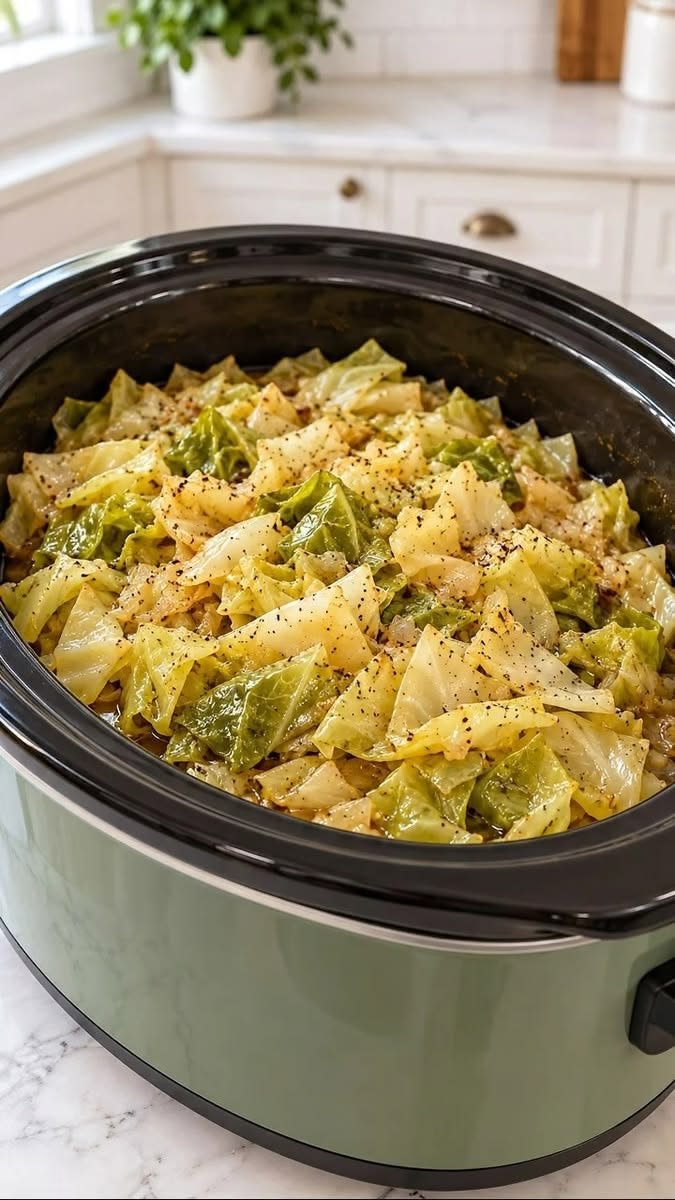
Large Green Cabbage: Nutritional Benefits, Culinary Uses, and Growing Tips
Introduction to Large Green Cabbage
Large green cabbage, also known scientifically as *Brassica oleracea*, is one of the most widely cultivated leafy vegetables across the globe. Its distinct vibrant green color and firm structure make it a staple in many cuisines. Not only does it add a crunch to salads and slaws, but this cruciferous vegetable is packed with nutrition and offers numerous health benefits. Whether you’re a health enthusiast, a culinary expert, or a home gardener, understanding the attributes and uses of large green cabbage can enhance your dietary choices and cooking repertoire.
Nutritional Profile of Large Green Cabbage
Large green cabbage is incredibly low in calories but high in essential vitamins and minerals. Here’s a breakdown of its impressive nutritional components:
Vitamins and Minerals
1. Vitamin C: Large green cabbage is an excellent source of Vitamin C, which is essential for immune function and skin health.
2. Vitamin K: This vegetable is rich in Vitamin K, crucial for blood clotting and bone health.
3. Fiber: High fiber content in cabbage aids in digestion and promotes gut health.
4. Folate: Folate is vital for DNA synthesis and cell division, making it particularly important during pregnancy.
5. Potassium: This mineral helps regulate blood pressure and fluid balance within the body.
Antioxidants
Large green cabbage contains antioxidants, such as sulforaphane, which may help protect against cancer and support overall health by combating oxidative stress.
Health Benefits of Large Green Cabbage
Incorporating large green cabbage into your diet can yield numerous health benefits, including:
1. Weight Management: Due to its low calorie count and high fiber content, large green cabbage can help you feel full longer, making it easier to manage weight.
2. Digestive Health: The fiber in large green cabbage promotes regular bowel movements and helps prevent constipation, contributing to a healthier digestive system.
3. Heart Health: The antioxidants and anti-inflammatory properties of cabbage may help reduce the risk of cardiovascular diseases.
4. Boosting Immunity: The high Vitamin C content can enhance your immune system, helping to prevent illnesses.
5. Detoxification: Cabbage provides compounds that support liver health and detoxification processes in the body.
Culinary Uses of Large Green Cabbage
Large green cabbage is a versatile ingredient that can be used in numerous dishes. Here are some popular ways to incorporate this vegetable into your meals:
Salads
Cabbage can be shredded or chopped and used as a base for fresh salads. Its crunchiness enhances the texture of green salads and coleslaws. Combine with carrots, onions, and a light vinaigrette for a refreshing side dish.
Soups and Stews
This leafy vegetable can be added to soups and stews for extra flavor and nutrition. Cabbage holds up well during cooking and contributes to a hearty dish.
Stir-Fries
Cabbage can be stir-fried with a variety of proteins and sauces. It cooks quickly, making it a great last-minute addition to any stir-fry meal.
Fermented Foods
Large green cabbage is often used for making sauerkraut and kimchi. The fermentation process not only preserves cabbage but also enhances its beneficial bacteria, promoting gut health.
Sautéed Dishes
Sautéing cabbage with garlic and olive oil is a quick and tasty way to prepare it. This method retains its nutritional value while adding flavor.
Growing Your Own Large Green Cabbage
For those interested in gardening, growing large green cabbage can be a rewarding endeavor. Here are some tips for successful cabbage cultivation:
Ideal Growing Conditions
1. Soil: Large green cabbage thrives in well-drained, fertile soil. Adding compost can improve soil quality and provide necessary nutrients.
2. Sunlight: Cabbage prefers full sunlight. Aim for at least 6 to 8 hours of direct sunlight per day to ensure robust growth.
3. Watering: Consistent moisture is vital; however, be careful not to overly saturate the soil. Regular watering, especially during dry spells, can enhance growth.
Planting
Sow cabbage seeds directly into the garden or start indoors 4 to 6 weeks before the last frost date. Transplant seedlings outdoors when they are about 4 inches tall and after the danger of frost has passed.
Pest Management
Monitor for common cabbage pests, such as aphids and cabbage worms. Organic methods, such as introducing beneficial insects or using neem oil, can help manage infestations without harsh chemicals.
Harvesting
Large green cabbage is typically ready for harvest 70 to 90 days after planting. Look for tightly formed heads, and cut them at the base with a sharp knife.
Conclusion
Large green cabbage is more than just a versatile vegetable; it is a powerhouse of nutrition that can benefit your health in multiple ways. From its impressive array of vitamins and antioxidants to its adaptability in the kitchen, cabbage is a must-have in any diet. Whether you choose to enjoy it raw, cooked, or fermented, adding large green cabbage to your meals can help you achieve a balanced and nutritious lifestyle. If you’re inclined, try growing your own cabbage for a rewarding and environmentally friendly experience. With these insights, you are well-equipped to appreciate and utilize large green cabbage to its fullest potential.